Storage for Small Business Owners and Contractors: A Smarter Way to Stay Organized
Storage for Small Business Owners and Contractors: A Smarter Way to Stay Organized
Why Storage Works for Small Businesses
Running a small business or working as a contractor often means managing tools, equipment, inventory, and supplies—sometimes all in limited space.
Self storage provides a practical way to stay organized without the cost of expanding your workspace. It allows you to keep business materials in one place while maintaining a clean and efficient environment.
Create More Space Where You Need It
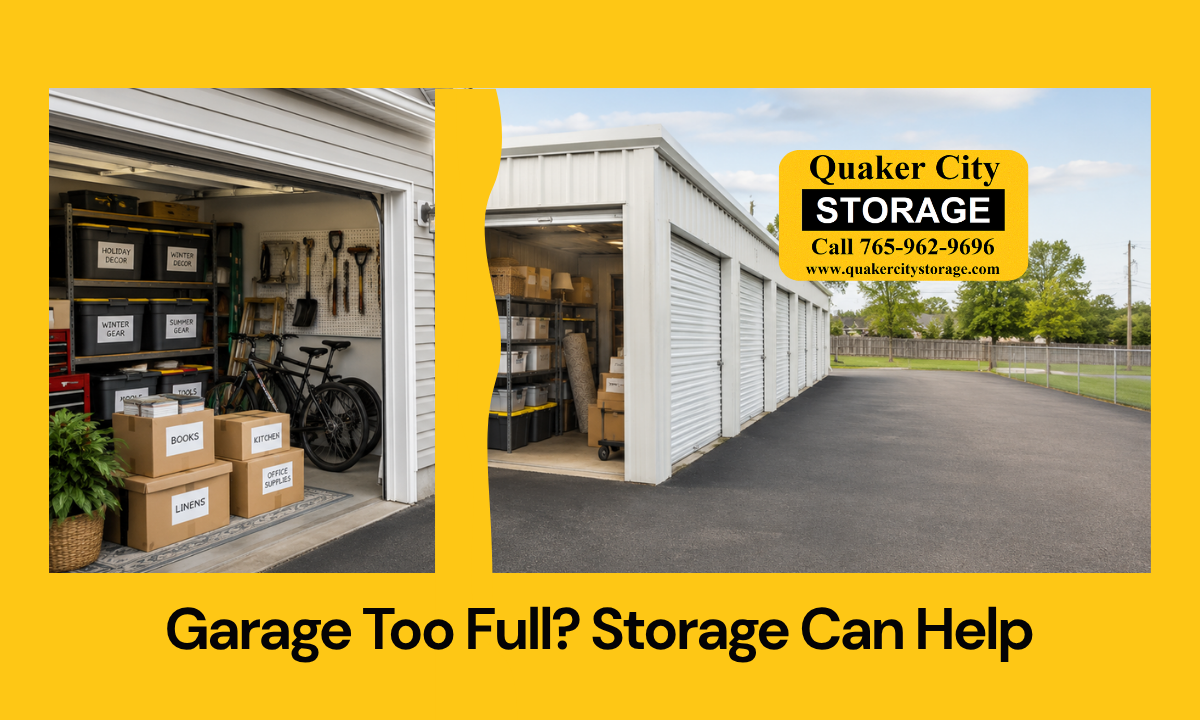
As your business grows, it’s easy for tools and supplies to take over your garage, office, or spare rooms.
A storage unit helps you:
- Separate work materials from your living space
- Reduce clutter and improve efficiency
- Maintain a more professional setup
If your space is feeling tight, you may relate to some of the situations described in 5 Signs You’re Running Out of Space at Home (And What to Do About It).
Protect Tools and Equipment
Contractors rely on their tools every day, so keeping them safe and organized is essential.
A storage unit can help you store:
- Power tools and equipment
- Ladders and job materials
- Seasonal or specialty tools
Having a dedicated space for your equipment makes it easier to stay organized and prepared.
Stay Organized With Inventory
For many small businesses, inventory can quickly become difficult to manage.
Using storage allows you to:
- Keep products organized and easy to find
- Store extra inventory without overcrowding your workspace
- Improve day-to-day efficiency
You can also apply strategies from Getting the Most Out of Your Self Storage Space to keep everything accessible and organized.
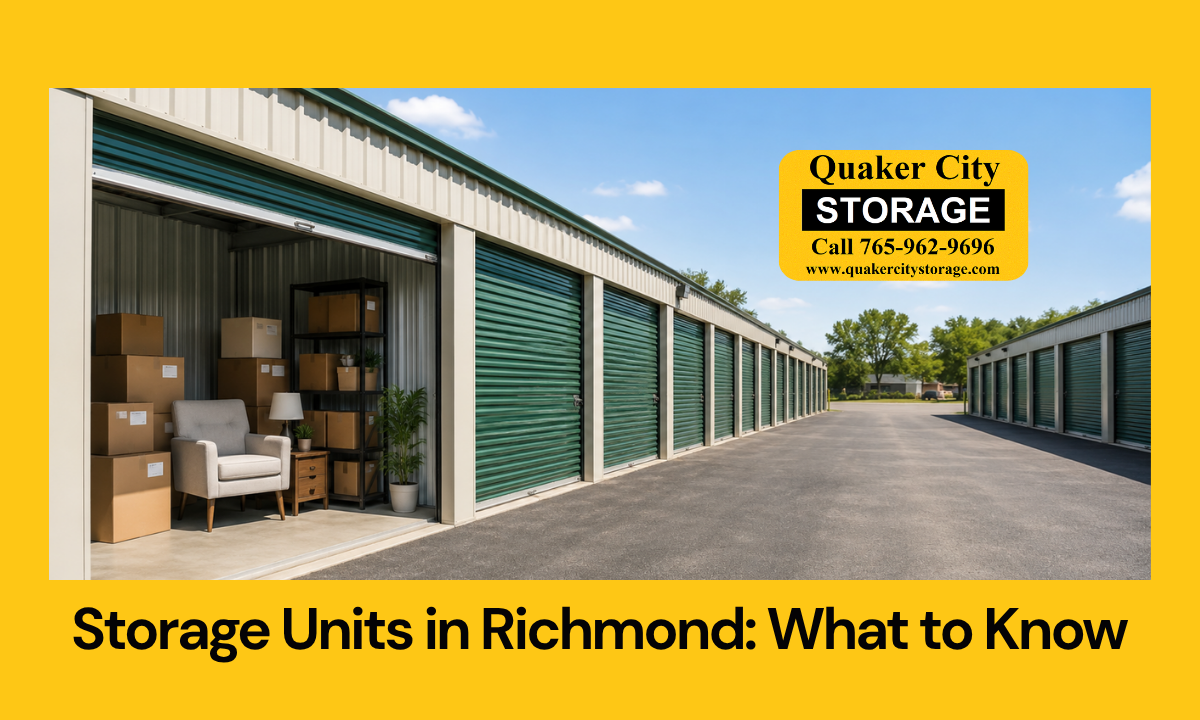
Find the Right Storage Unit Size
Every business has different storage needs depending on the type and volume of items being stored.
Smaller units are great for supplies and documents, while larger units can accommodate tools, equipment, and bulk inventory.
If you’re unsure what size is right, What Size Storage Unit Do You Actually Need? can help guide your decision.
Flexible Storage for Changing Needs
One of the biggest advantages of storage is flexibility.
As your business evolves, you can adjust your storage space without committing to long-term leases. Whether you need storage for a few months or longer, you can scale your space based on your needs.
If you’re deciding between short-term and long-term options, Short-Term vs. Long-Term Storage: What’s Right for You? can help you choose the best approach.
A Smart Solution for Business Owners
For small business owners and contractors, storage offers a reliable way to stay organized, protect equipment, and create room for growth.
With the right setup, your storage unit can support your daily operations and help you run your business more efficiently.
Frequently Asked Questions
Can small businesses use storage units for inventory?
Yes, storage units are commonly used by small businesses to store inventory, supplies, and equipment in an organized and accessible way.
Is storage useful for contractors?
Yes, contractors benefit from having a dedicated space to store tools, materials, and equipment between jobs.
What size storage unit should I choose for my business?
The right size depends on what you need to store. Smaller units work for supplies, while larger units are better for tools and inventory.
Can I access my storage unit regularly?
Yes, storage units are designed for easy access so you can retrieve tools or supplies whenever needed.
Is storage a cost-effective option for businesses?
For many businesses, storage is more affordable than expanding office or warehouse space, making it a flexible solution.