
What Belongs in Self Storage (and What Really Doesn’t)
Jeff Byrge • February 12, 2026
Not Everything Belongs in a Storage Unit
If you’ve ever looked around your home and thought, “Can I just put all of this in storage?”
—you’re not alone.
Self storage is an amazing tool for decluttering, moving, and creating breathing room at home. But for safety, legal, and sanitation reasons, there are some things that should never
go into a storage unit, no matter how tempting it is to box them up and forget about them.
Let’s walk through what does
belong in self storage… and what really doesn’t.
✅ What Does Belong in Self Storage
These are the kinds of things self storage was made for:
1. Seasonal & Occasional Items
Great candidates include:
- Holiday and party decorations
- Seasonal clothing and bedding
- Camping, beach, or snow gear
- Extra folding tables and chairs
These items are used a few times a year but hog space the rest of the time—storage is a perfect solution.
2. Furniture and Household Overflow
- Sofas, chairs, side tables
- Bedroom sets and dressers
- Extra rugs and lamps
Whether you’re between homes, staging a house for sale, or planning future room updates, furniture stores well in a clean, dry unit when properly wrapped and elevated.
3. Sports, Hobby, and Outdoor Gear
- Bicycles, kayaks, golf clubs
- Totes of hobby supplies
- Yard tools and lawn equipment (drained of fuel)
These are bulky but durable. Just be sure anything that uses fuel is safely emptied before storage.
4. Business and Side-Hustle Inventory
- Boxes of product
- Display items
- Shipping supplies
Many small businesses and resellers use self storage as a mini-warehouse so their work doesn’t swallow their living space.
❌ What Doesn’t Belong in Self Storage
Here’s the important part: every storage facility has a list of prohibited items
, and most of them are very similar. If you’re ever unsure, always check your rental agreement or ask the office.
Common “absolutely not” items include:
1. Food and Perishables
Most facilities prohibit food, even canned or pet food. It can spoil, attract pests, cause odors, and create a health hazard.
That includes:
- Groceries and produce
- Open or sealed pantry items
- Pet food and bird seed
If it can rot, attract bugs or rodents, or mold—it doesn’t belong in a unit.
2. Living (or Once-Living) Things
You cannot store:
- Pets or animals (ever)
- Plants
- People (yes, this is a real rule)
Storage units aren’t ventilated or designed for living things and can quickly become unsafe. Many guides also list any
live or dead animals and plants as strictly prohibited.
3. Hazardous, Flammable, or Explosive Materials
This is a big one. For safety and legal reasons, storage units do not
allow:
- Gasoline, fuel, propane tanks
- Paint thinner, solvents, and many paints
- Fireworks and explosives
- Pesticides and toxic chemicals
Anything that’s flammable, explosive, or toxic is almost always banned because of fire and contamination risk.
If it’s the kind of thing you’d be nervous to store in your house… it probably doesn’t belong in a storage unit either.
4. Illegal or Stolen Goods
This one’s straightforward:
- Illegal drugs
- Stolen property
- Unlicensed or illegal firearms
Storage facilities are required to prohibit illegal items, and storing them could result in law enforcement involvement and loss of access to your unit.
5. Weapons and Ammunition
Many facilities specifically ban:
- Firearms
- Ammunition
- Explosives and certain weapon types
Even in areas where owning these items is legal, facilities often prohibit storing them due to theft and liability risks.
If you need to store firearms, look into dedicated, approved firearm storage options instead.
6. Unregistered or Unsafe Vehicles
Most storage locations allow vehicles only if
:
- They’re registered and insured
- They’re in operable condition
- They’re not leaking hazardous fluids
Some operators explicitly call out that vehicles must meet these requirements to avoid environmental hazards and abandoned-vehicle issues.
Always confirm your facility’s vehicle rules before parking anything long-term.
7. Irreplaceable or Extremely Valuable Items
Technically, you can
put valuables in storage—but many experts advise against storing items you simply cannot
replace, such as:
- Large amounts of cash
- Expensive jewelry
- One-of-a-kind family heirlooms
Even with good security, most self storage isn’t meant to replace a bank safe deposit box or a home safe for highly valuable items. Some guides specifically list irreplaceable valuables as “don’t store if you can help it.”
The “Grey Area”: What Might Belong if Stored Carefully
Some items can be stored, but you’ll want to think through conditions and packing
:
- Electronics: Best in dry, stable environments and good boxes.
- Photos and documents: Use archival boxes or plastic bins and keep them away from moisture.
- Sentimental items: If you choose to store them, pack carefully and consider how much risk you’re comfortable with.
When in doubt, ask: Am I okay if this gets damaged, lost, or ruined?
If the answer is “absolutely not,” you may want a more secure or climate-controlled option.
3 Quick Questions to Decide What Belongs in Storage
When you’re standing there with an item in your hand and wondering, “Can this go in the unit?”
run through this checklist:
- Is it safe?
Could it explode, catch fire, leak, rot, or attract pests? If yes, it doesn’t belong in storage. - Is it legal and allowed?
Does your rental agreement or local law prohibit it (like hazardous materials, weapons, or illegal goods)? If you’re unsure, ask the facility manager or check the rules. - Is it replaceable?
If it’s truly priceless to you, consider keeping it closer to home in a secure, protected place.
If it passes all three questions and fits into the “household / business / seasonal” category, it likely belongs in self storage.
Final Thoughts
Self storage is an incredibly helpful tool—but it works best when you use it wisely
.
- Store: everyday extras, seasonal décor, furniture, gear, and inventory.
- Skip: food, hazardous materials, illegal items, weapons, living things, and truly irreplaceable valuables.
When in doubt, check your facility’s rules or ask the manager before you pack it up. A few smart decisions now keep your belongings safer—and keep everyone sharing the facility safer, too.
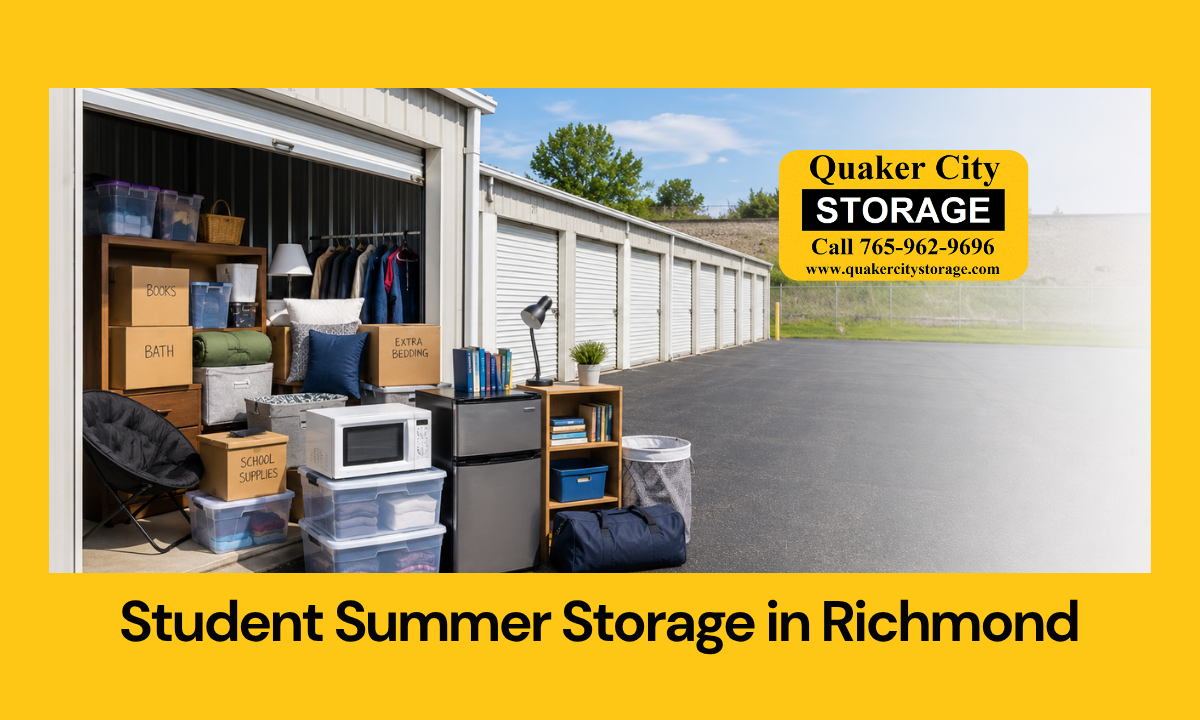
Richmond college students can plan summer storage near Earlham College and IU East, choose the right unit size, pack safely, and simplify campus move-out day.
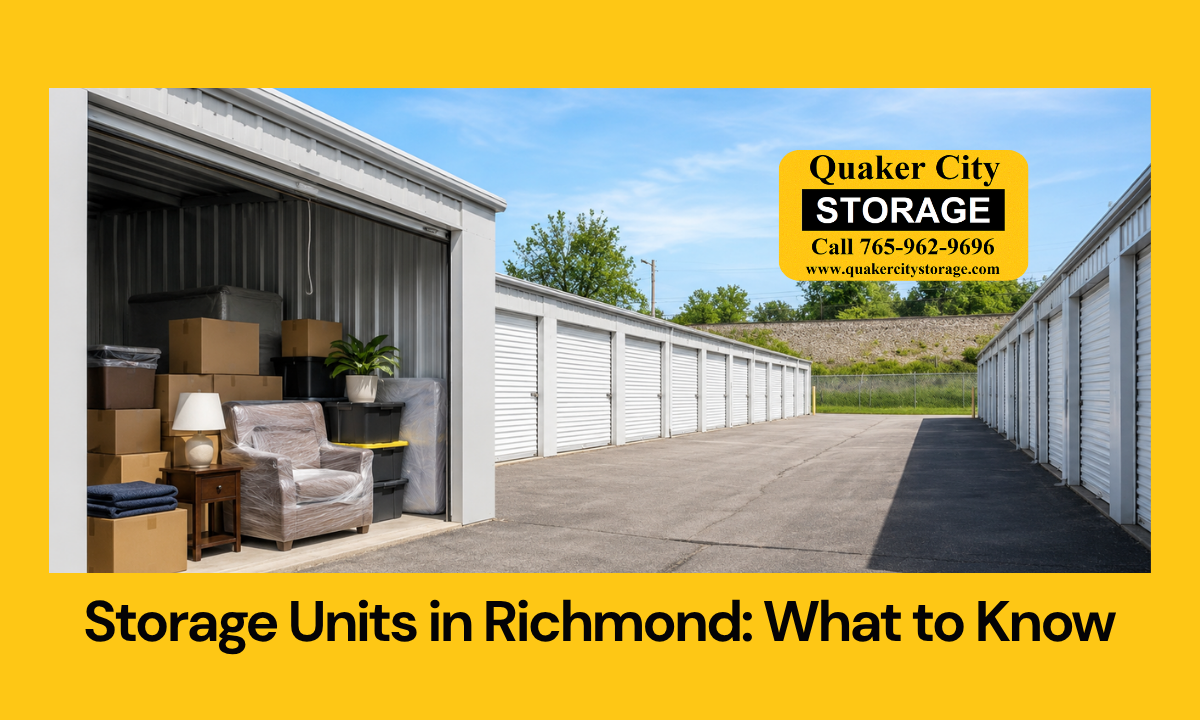
Looking for storage units in Richmond, IN? Learn what to consider before renting, from unit size and timing to packing and organization tips.
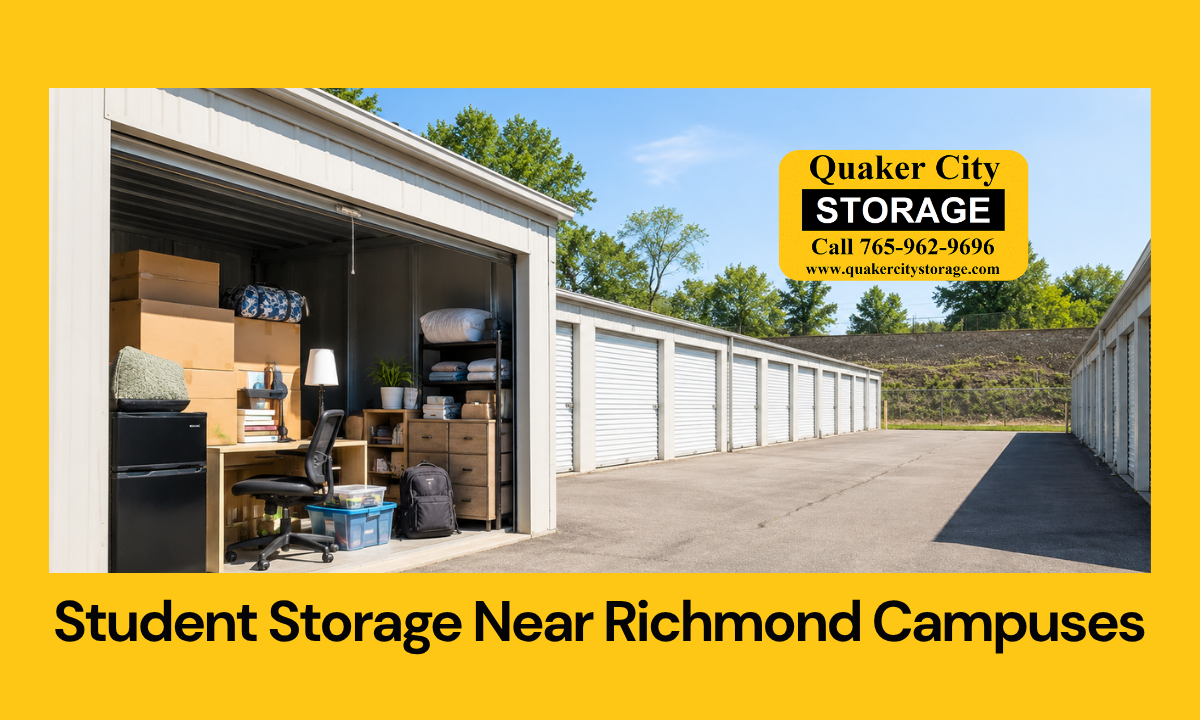
Looking for student storage near Earlham College or IU East? Learn how Richmond, IN students can store dorm and apartment items between semesters.
Need short-term storage in Richmond, IN? Learn when temporary storage makes sense for moving, renovations, college breaks, and downsizing.
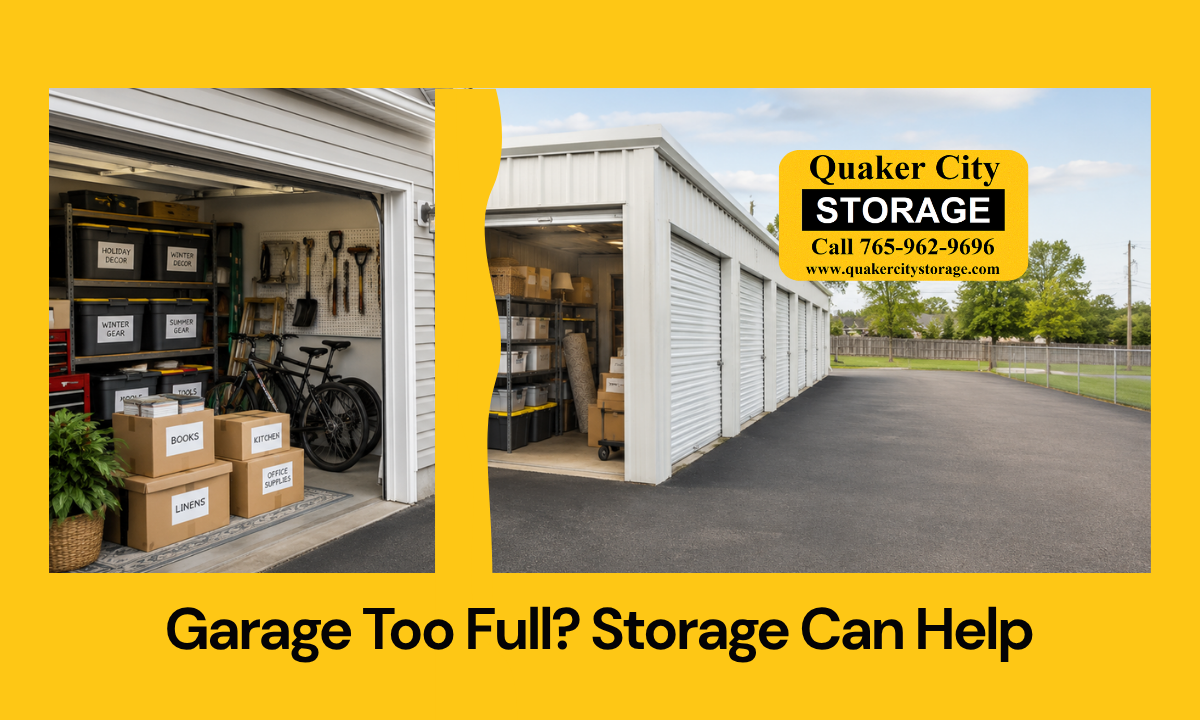
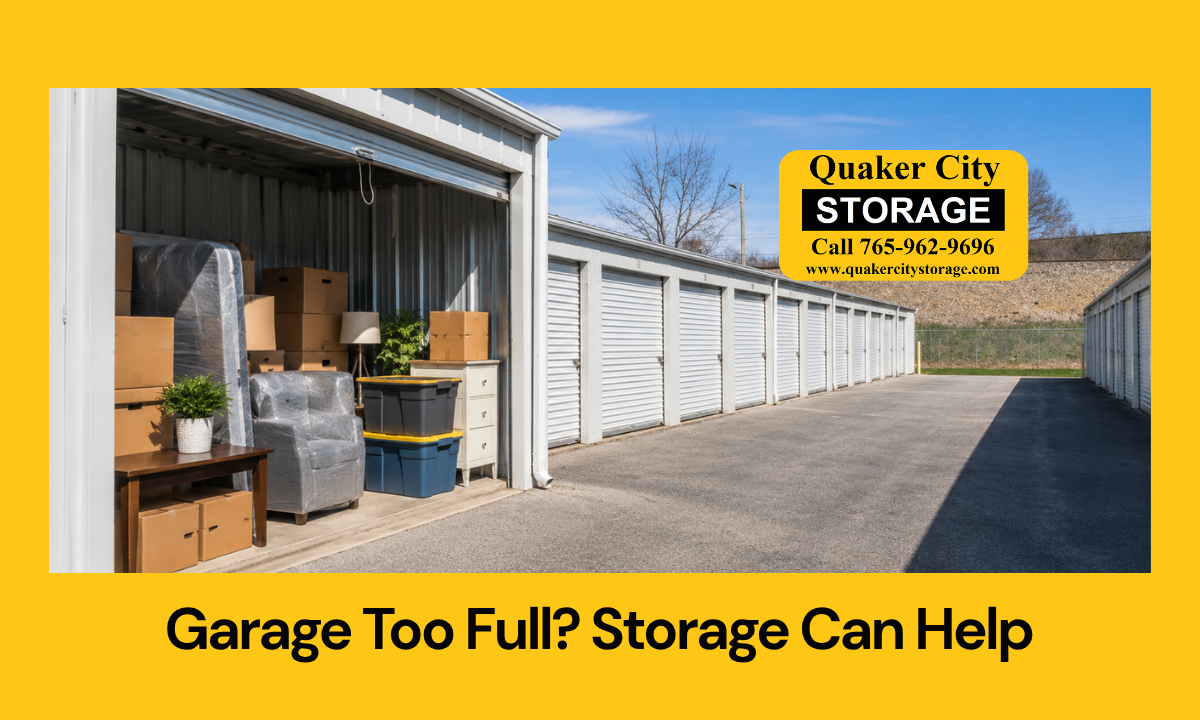
Garage too full? Learn storage ideas for Richmond, IN homeowners to organize seasonal items, clear clutter, and make your garage useful again.

Moving in Richmond, IN? Learn how storage can help with timing gaps, downsizing, home staging, and keeping belongings organized during a move.
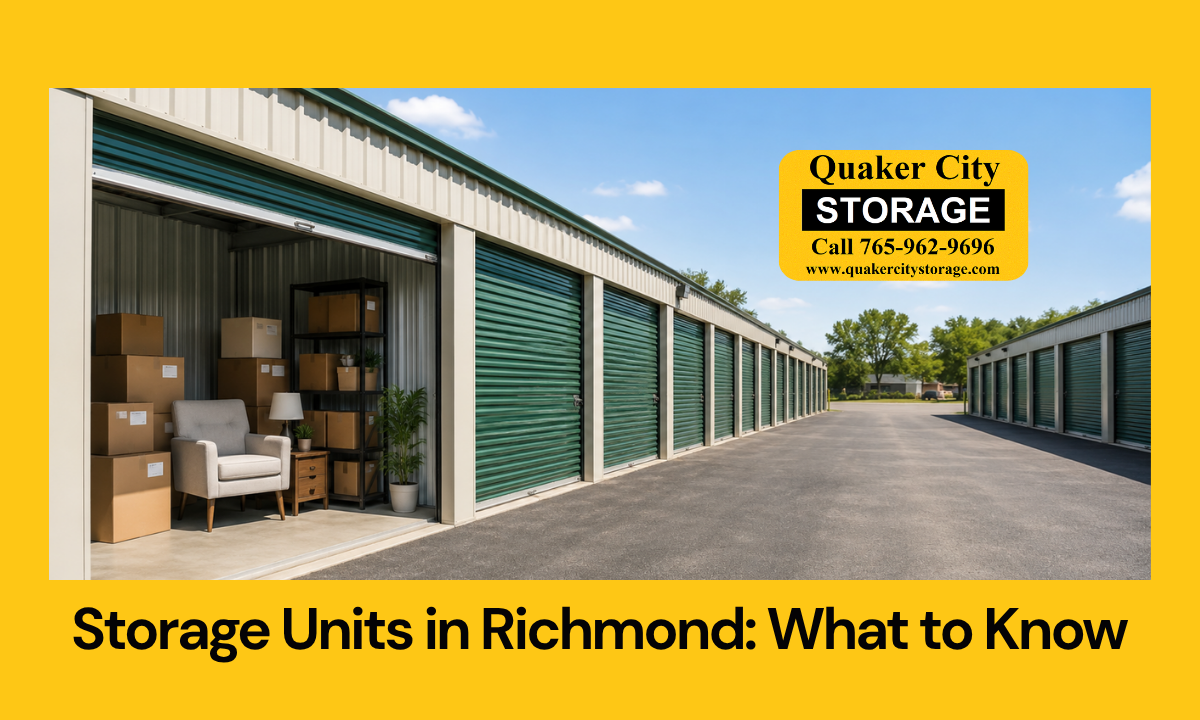
Looking for storage units in Richmond, IN? Learn what to consider before renting, from unit size and access to packing and organization tips for your move.

Use this college move-out checklist to decide what Richmond students should store before summer break and how to make moving easier.
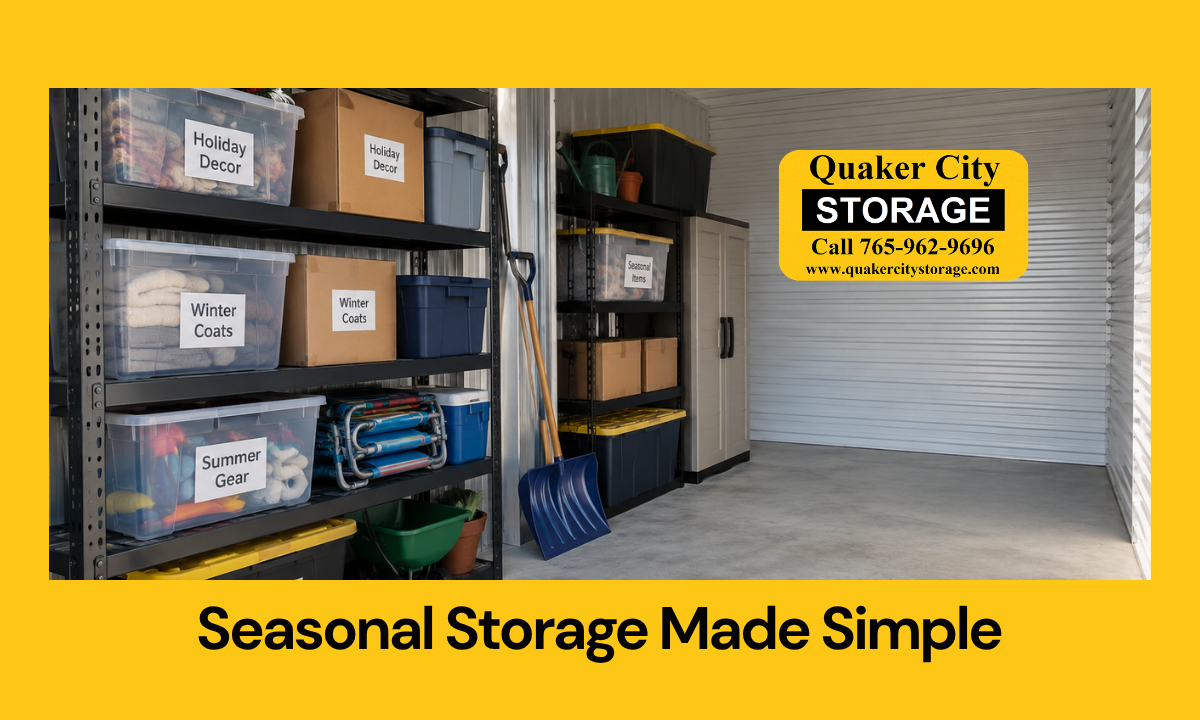
Learn how seasonal storage in Richmond, IN can help you organize holiday décor, winter gear, lawn equipment, and other seasonal items.