
Packing and Storage Tips
December 15, 2023
Packing & Storage Tips
Do:
- Use pallets, 2 x 4's, plywood, any thing that will keep your items off the floor of the unit.
- Utilize all the space in your unit. Make a plan as to how you are going to arrange your items. A good plan will save you the time of having to rearrange your unit. Leave an aisle in the center of your unit so that you have a walk way to the back of the unit.
- Use freestanding shelves to help organize your unit.
- Label the boxes on all six sides and keep a list for easy reference. This will save you time if you have to look for something in particular. When packing boxes fill them without making them too heavy to lift. Always put the heavier boxes on the bottom and the lighter ones on top of the heavier ones. This will prevent boxes from being crushed. Keep boxes off the floor.
- Be sure to store frequently used items at the front of the unit to avoid having to search for them.
- To protect your items cover them with moving pads, sheets, or light blankets.
- Be sure to check your unit once a month.
- Disassemble items such as tables, bed frames, etc. This will save space. Wrap and label all pieces for an easier time when you have to reassemble them. Put all hardware in bags and mark the bags accordingly.
- When you disassemble electronics, such as computers, stereos, things that have numerous cords, place small colored stickers on the cord and the same color sticker where the cord goes. This will save you the hassle of trying to figure out what goes where when it comes time to reassemble your electronics. If possible, use the original boxes to store your electronics and other items.
- Make sure that all appliances are clean and dry before storing them. Leave appliances slightly ajar to prevent mildew.
- If it is possible store couches on end. Stack chairs seat to seat. Use the inside of appliances and drawers to store smaller items. When stacking furniture use paper pads in between the items to avoid scratching.
- Store mattresses and box springs on long edges. Wrap for protection and elevate off the floor. Use two to three 2 x 4's cut to 1 foot long.
- Store mirrors and paintings on end, not flat. Pack books flat to protect their spines.
- To prevent rusting rub a small amount of machine oil on metal tools, bicycles, and equipment. Drain and clean all debris from all equipment before you store them.
- When wrapping collectibles or anything breakable, tape it after you wrap it. This should avoid mistaking them for excess paper to fill the box. Use bubble wrap or unprinted paper to wrap breakables. Group similar items together and mark the boxes accordingly.
- Clothing and draperies should be stored in wardrobe boxes, on hangers, to retain their original shapes.
- Purchase the insurance. If your belongings are worth storing, they are worth insuring.
- Rubbermaid containers are great to store your items. They have tight fitting lids and stack easily. Keep the more valuable items in the rear of the unit. This will prevent others from seeing them when you are in your unit.
- Keep out of season clothes accessible, you may have your belongings in storage longer than anticipated.
- Be aware of your surroundings when you are in your unit. If you see a potential problem or anything suspicious alert the manager.
Don't:
- Do not use plastic to cover your belongings. It retains moisture.
- Do not store any food items. This will prevent any unwanted guests.
- Do not pack your boxes so that they are too heavy to carry them. Especially when you are packing books.
- Do not assume that your homeowners or renters insurance will cover your belongings while in storage. Purchase the insurance.
- Do not give out your password, gate code or any information to any one that is not listed as having access.
- Do not use printed newspaper for wrapping. The ink may smudge and get on your items.
- Do not forget to clean appliances before you store them.
- Do not store any toxins or flammables such as paint, oil, or gasoline.
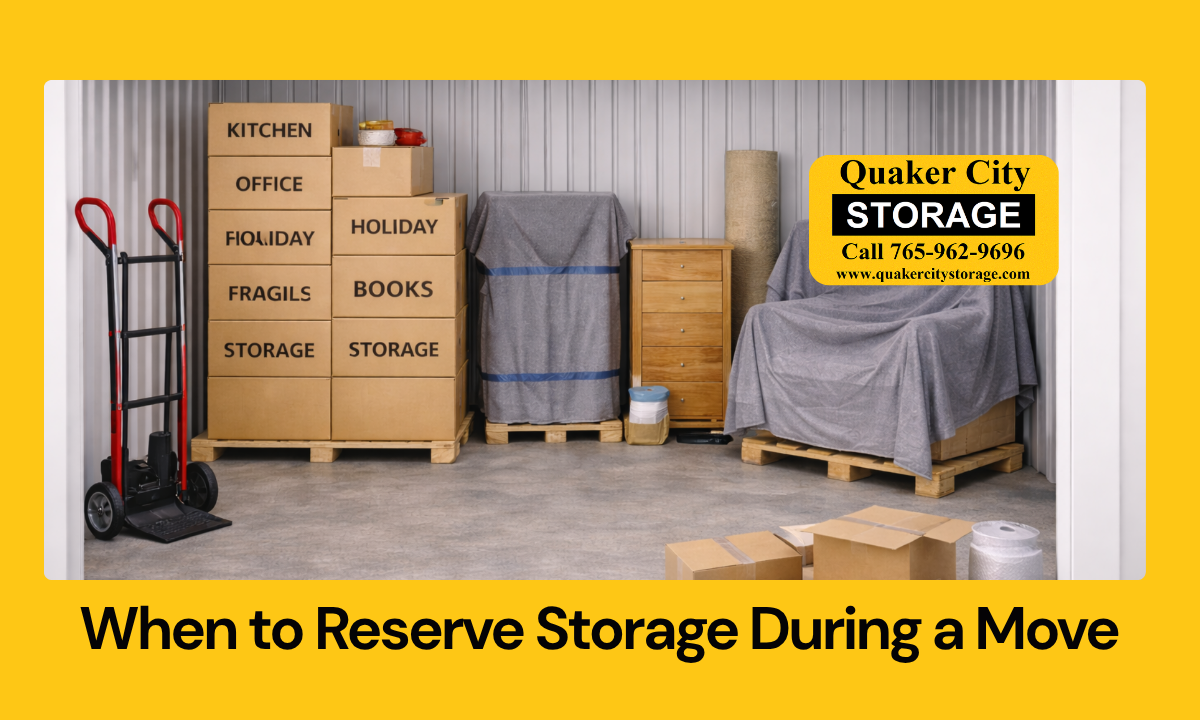
Find out when to reserve a storage unit during a move to stay organized, reduce stress, and ensure availability during busy moving seasons.

Learn how to prepare your items for storage with simple steps for cleaning, packing, and organizing to keep everything protected and easy to access.
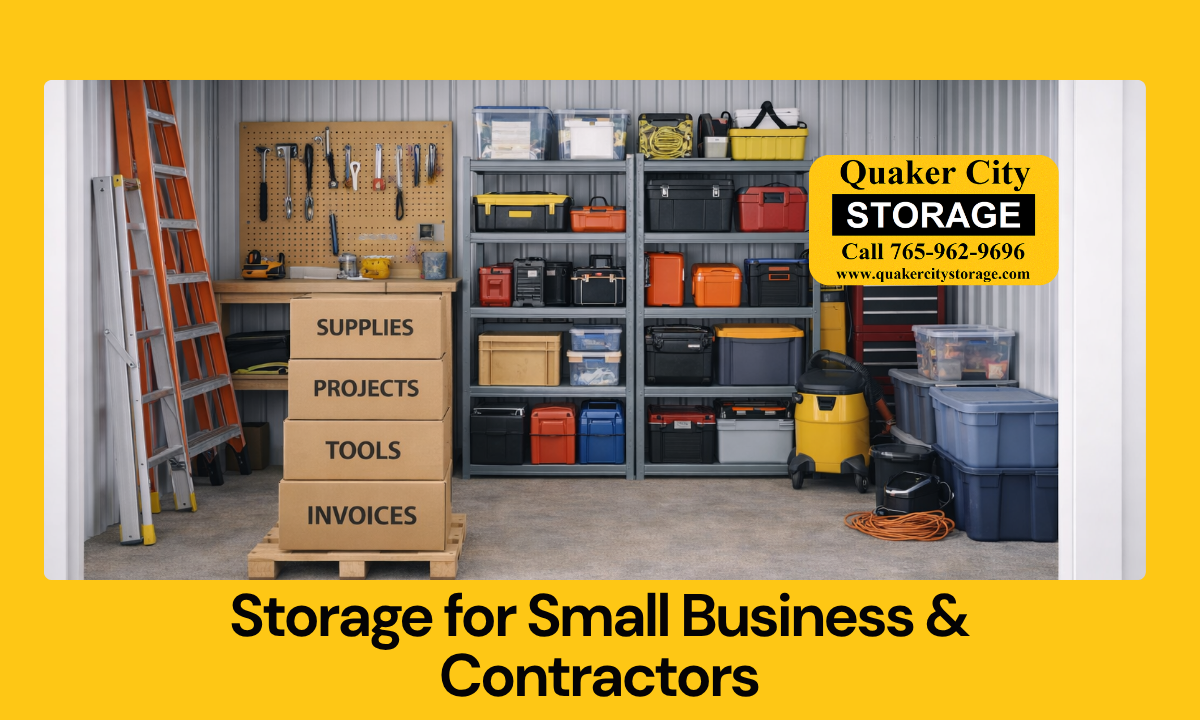
Find out how contractors and small business owners can use storage to protect tools, organize inventory, and improve daily efficiency.
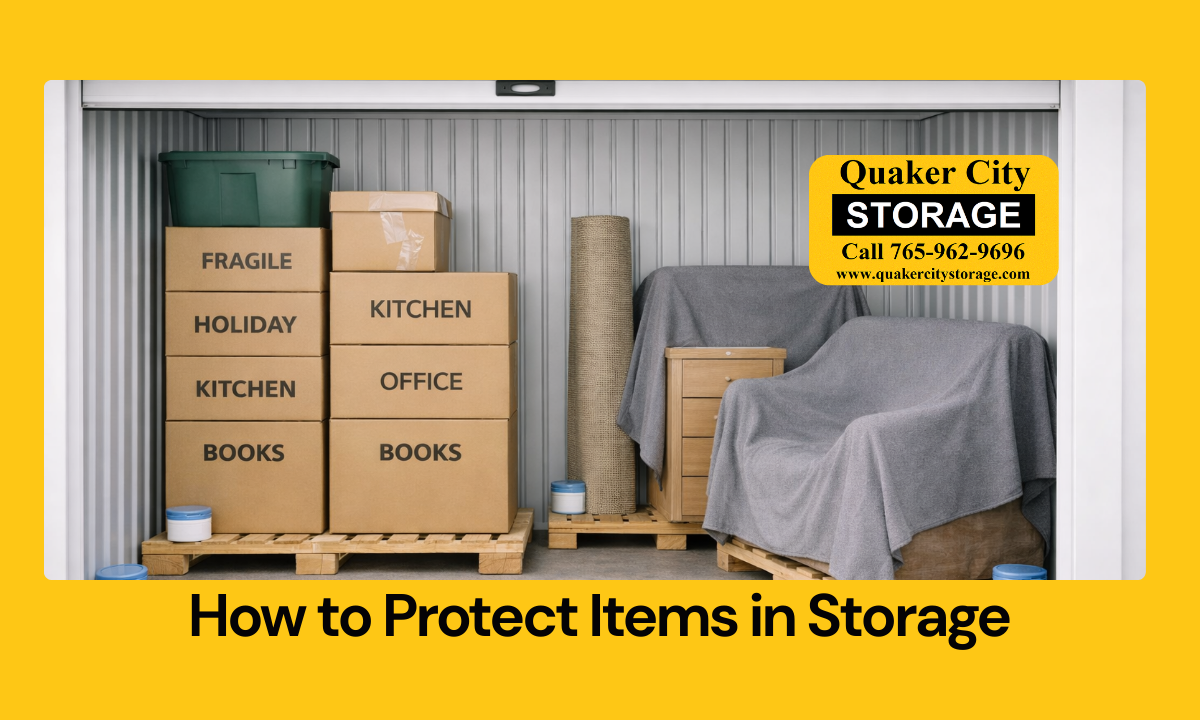
Learn simple ways to keep your items safe in self storage with packing, moisture control, and organization tips.
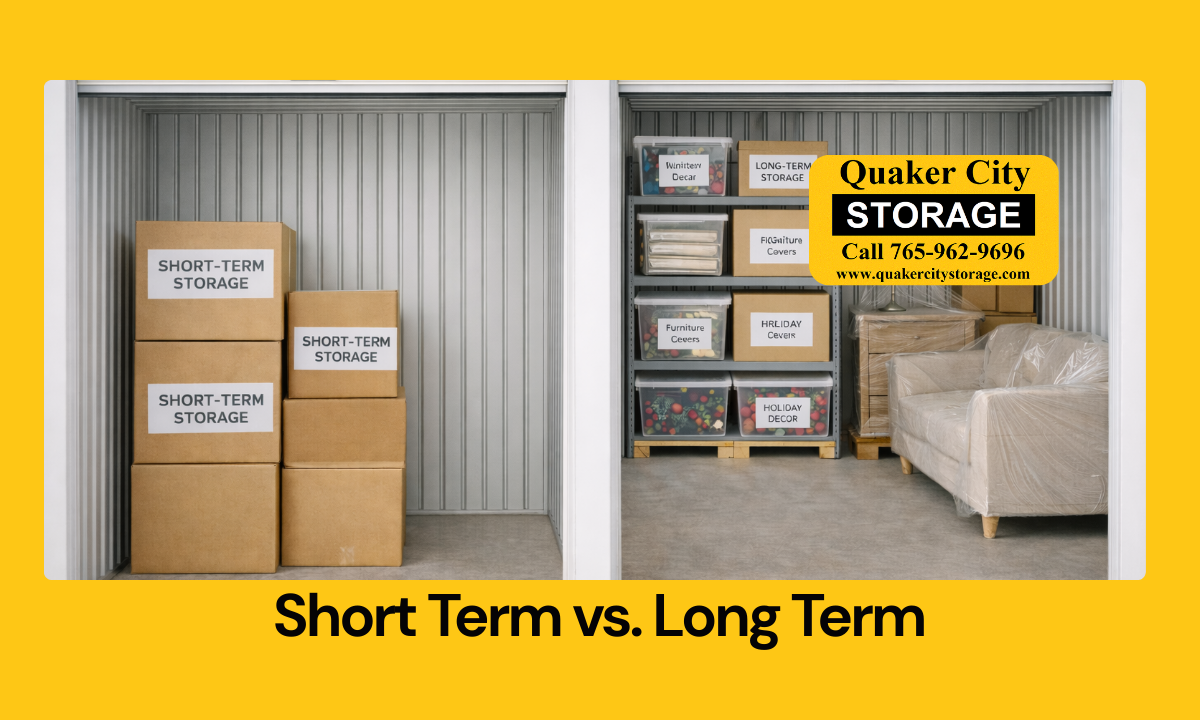
Trying to decide between short-term or long-term storage? Quaker City Storage explains the differences to help you choose the right option.
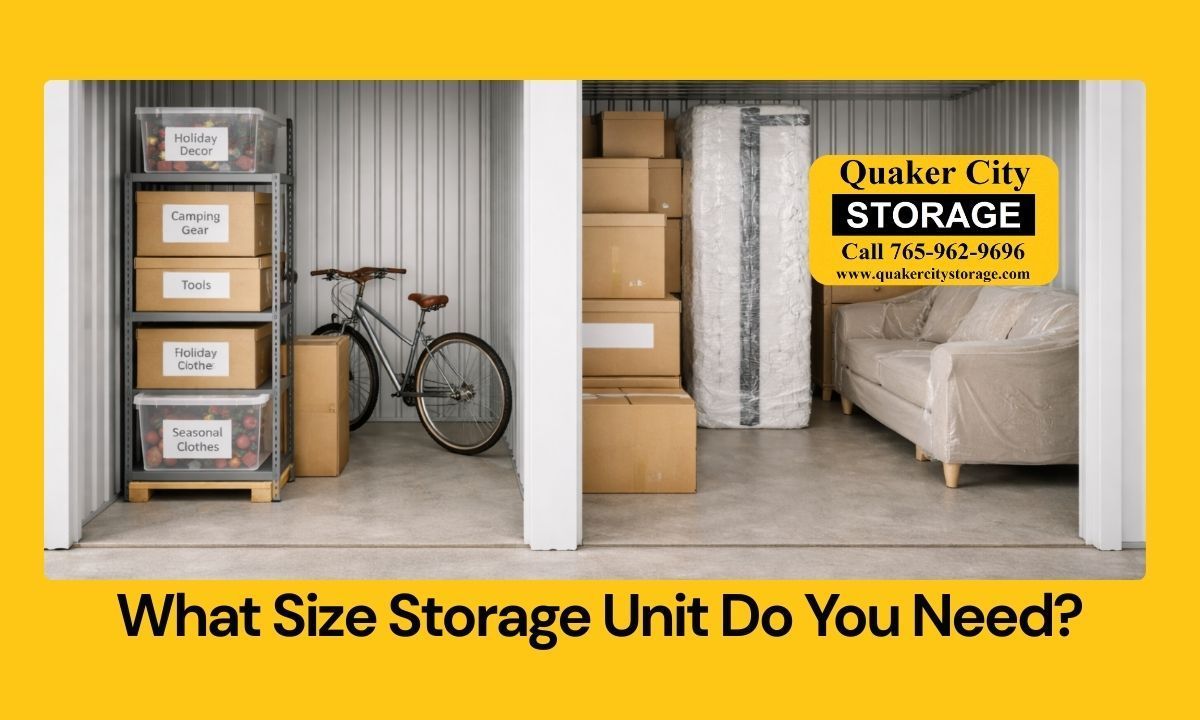
Not sure which storage unit size fits your needs? Quaker City Storage explains small, medium, and large options to help you choose confidently.
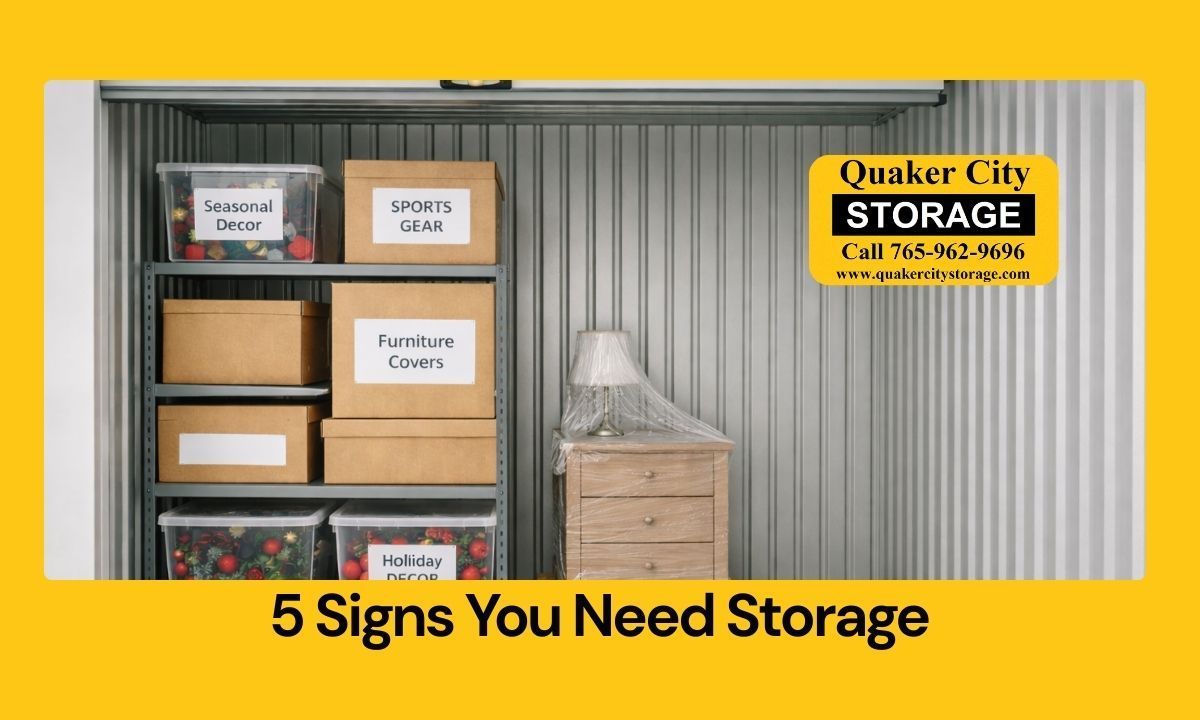
Noticing clutter piling up at home? Here are 5 practical signs you may need extra storage space from Quaker City Storage.
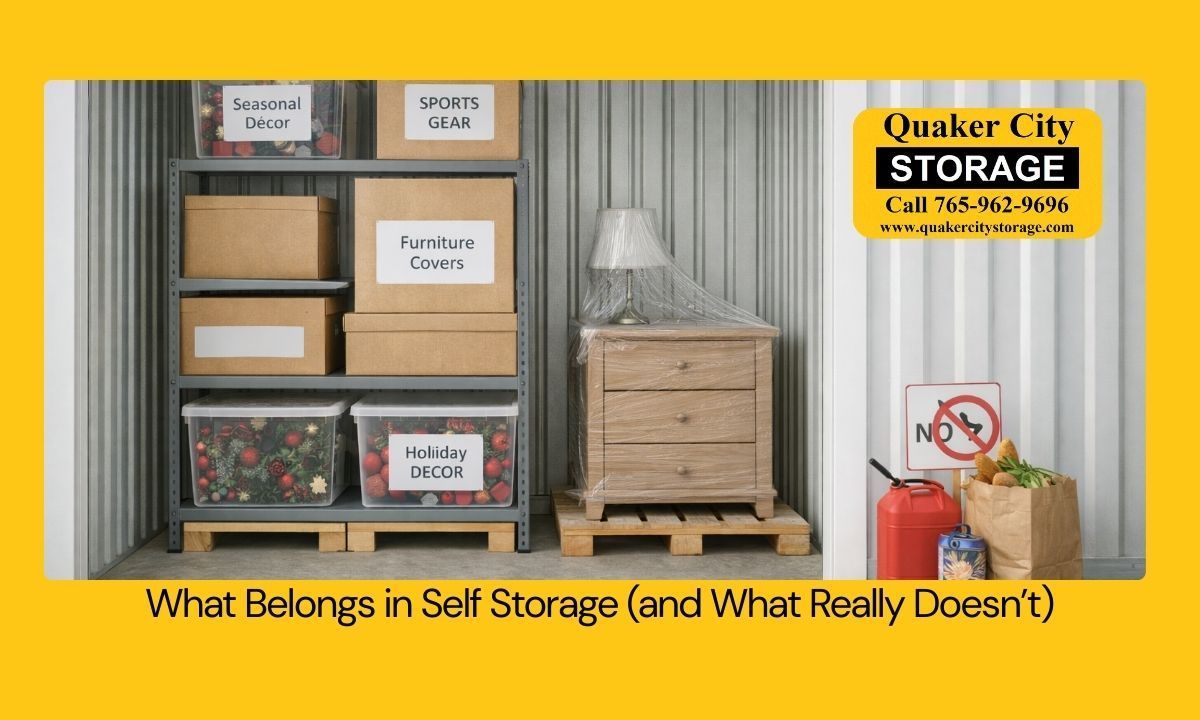
Not sure what you can (and can’t) put in a storage unit? This guide breaks down what belongs in self storage—and what really doesn’t—for safety and peace of mind.
When the temperatures drop and the days get shorter, your stuff still needs protection. From outdoor furniture to winter sports gear and holiday décor, how you store things in winter can make the difference between “ready for next season” and “why does this look ruined?”